
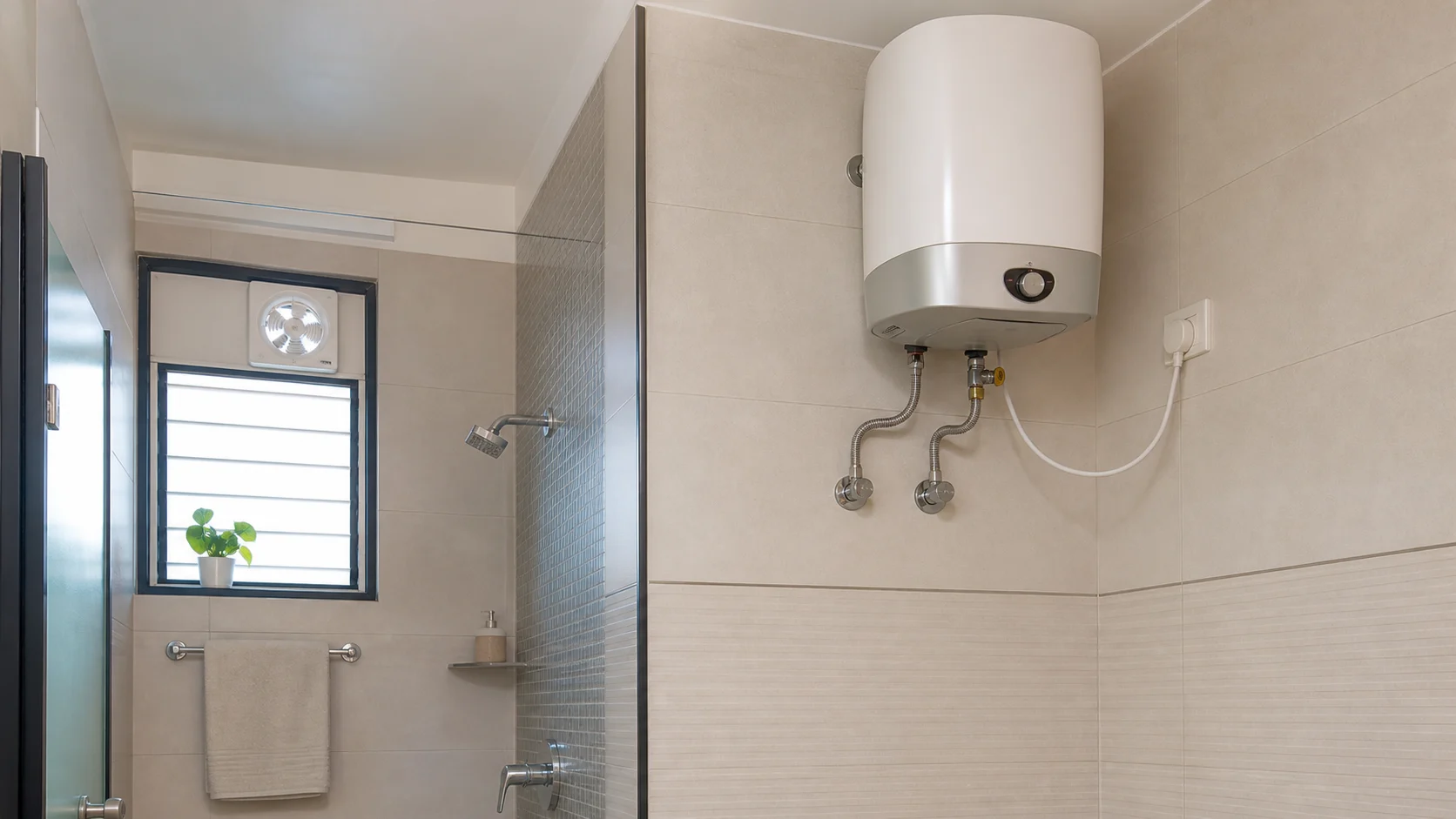
Bathroom Vastu in one sentence
Keep bathrooms dry, bright, ventilated, and leak-free; store cleaning items neatly; and if you can choose location, prefer common “wet-zone” directions (often NW/W in many traditions) while avoiding dampness near sacred or sleep areas.
Biggest priority
Odor + dampness. If the bathroom smells stale, the whole home feels heavy. Fix this before anything else.
Best no-demolition fix
Improve ventilation: exhaust fan, openable window, and a drying routine. Airflow changes the experience immediately.
Premium rule
Bathrooms should be easy to clean. If maintenance is difficult, the space slowly becomes cluttered and feels stressful.
Direction is a layer
Direction guidance helps when planning a new home. In an existing home, hygiene and airflow matter more day-to-day.
Ideal direction (traditional guidance, simplified)
Different Vastu lineages differ, but many room-wise checklists commonly place toilets/bathrooms in North-West or West zones and avoid placing toilets in the North-East. The reason is symbolic (purity/light in NE) and practical (keeping wet, odor-prone zones away from calm/sacred corners).
If you are building from scratch and you have choice, treat direction as one of several priorities alongside plumbing runs, ventilation shafts, and privacy. In many apartment layouts you don’t get to choose, and that is normal.
Preferred (often)
NW / W zones are frequently suggested in traditional Vastu. Direction alone does not establish airflow, drainage, or suitability for plumbing.
Avoid (often)
NE is often kept for light, calm, or pooja/study zones. If you have a NE toilet already, focus on drying and ventilation.
Best colors (clean, bright, and easy to maintain)
Bathroom colors are mostly about cleanliness perception. Bright, light tones make small bathrooms feel bigger and cleaner. Dark bathrooms can look stylish, but they often show water marks and feel smaller unless lighting is excellent.
Best base colors
Warm white, ivory, light beige, soft grey—works with most tiles and looks premium.
Accent colors
Soft teal, muted blue, sage green (small quantities). Keep accents easy to wipe.
Avoid in low light
Very dark walls/cabinets in bathrooms with weak ventilation or weak lighting—maintenance becomes harder.
A premium trick is to keep the color palette simple and upgrade textures: a good mirror, clean grout, consistent accessories, and soft warm lighting.
Placement tips (layout + hygiene rules that always work)
Bathroom Vastu is easier when you think in zones. A bathroom usually has a dry zone (vanity), a wet zone (shower), and a toilet zone. Your goal is to keep the dry zone dry, the wet zone draining, and the toilet zone ventilated.
Door and privacy
Ensure the bathroom door doesn’t open directly into the main living seating view. Use a small privacy turn if possible.
Wet-to-dry separation
Use a shower partition or curtain. A constantly wet floor is a comfort problem, not just a Vastu issue.
Mirror placement
Place the mirror where it doesn’t reflect clutter. Keep the vanity counter clean and minimal.
Floor slope and drain
Ensure water flows quickly to the drain. Slow drainage creates smell and dampness over time.
Ventilation and odor control (the real “energy” fix)
If you want your bathroom to feel light and premium, control odor and humidity. Stale air is the #1 reason bathrooms feel heavy. Use an exhaust fan, keep it clean, and ensure there is a way for fresh air to enter. If there is no window, the exhaust becomes even more important.
- Run the exhaust during and after showers. Make it part of the routine.
- Clean the exhaust grill and fan periodically so it actually works.
- Keep drains clean. A drain smell can dominate the whole room.
Common mistakes (and what to do instead)
Most bathroom Vastu issues are not mysterious. They are maintenance and design issues that compound over time. Fix the root cause and the space becomes calm.
Mistake: ignoring small leaks
Fix: repair leaks early. A slow leak becomes mold, smell, and long-term wall damage.
Mistake: damp towels inside
Fix: dry towels properly. Damp textiles are the fastest way to make a bathroom smell stale.
Mistake: cluttered counters
Fix: store items in closed cabinets. Clean counters instantly look premium and simplify cleaning.
Mistake: weak lighting
Fix: add brighter light and a warm layer. Good lighting improves hygiene perception and mood.
Mistake: dirty grout and corners
Fix: periodic deep clean. Old grime makes a bathroom feel “stuck,” even if everything else is fine.
Mistake: closed bathroom after shower
Fix: ventilate after use. Trapped humidity creates a damp smell and damages finishes.
Do’s & don’ts (simple rules)
Do: keep it dry
Squeegee the wet zone or wipe water quickly. Dry floors reduce smell and slip risk.
Do: run the exhaust
Ventilation is the easiest remedy. Make it automatic in your routine.
Do: keep supplies organized
Closed storage and labels prevent visual noise and make cleaning faster.
Don’t: store damp items
Wet mops and buckets inside create odor. Dry them outside if possible.
Don’t: allow drain smell
A smelly drain dominates the space. Clean and maintain it regularly.
Don’t: ignore mold
Mold is a health and comfort issue. Fix moisture sources and clean properly.
Remedies (no demolition, high impact)
If your bathroom placement isn’t ideal, your best remedies are practical: dry the space, improve airflow, and reduce visual clutter. These changes work in apartments and rentals.
Upgrade the exhaust
A stronger, quieter exhaust fan is one of the best “premium” upgrades you can make.
Add better lighting
Bright light for cleaning + warm light for comfort. Layering improves the feel instantly.
Seal and repair
Seal gaps, repair leaks, and keep fittings tight. Small seepage causes long-term problems.
Create a drying routine
Hooks for towels, a squeegee, and a habit. Routine beats one-time cleaning.
Toilet placement inside the bathroom (micro-layout tips)
Even if your bathroom location is fixed, you can still improve the experience by adjusting the internal layout. The practical goal is comfort: enough clearance, easy cleaning, and no awkward splash zones. In Vastu language, it’s about keeping wet and waste zones well managed.
Keep it private
If the toilet is visible from the bathroom door, use a partial wall, frosted glass, or door angle to reduce direct view.
Avoid splash on dry zone
Keep the vanity and storage away from constant spray. A dry vanity is a premium signal.
Clearance matters
Tight toilet clearance makes cleaning hard. If space is small, simplify storage and keep the area open.
Some traditions discuss which way the toilet seat “faces.” This is difficult to control in apartments and rarely changes outcomes. If you can choose easily during construction, you can consider those preferences. Otherwise, focus on ventilation and dryness—those make the difference you can feel.
Attached bathroom in the bedroom (sleep-first approach)
Attached bathrooms are common in modern homes. The main risk is not direction—it’s humidity and odor entering the sleep zone. If the bedroom feels restless or “heavy,” often the attached bathroom is trapping moisture or smell.
Keep door closed
Keep the bathroom door closed when not in use, especially at night, to protect the sleep zone.
Ventilate after showers
Run the exhaust and allow the bathroom to dry before you close everything.
Stop damp textiles
Don’t store wet towels or laundry piles in the attached bathroom. That damp smell travels.
Fix hidden leaks
If the bedroom wall near the bathroom feels damp, investigate immediately. Hidden seepage creates long-term issues.
Renters: bathroom Vastu without renovation
In rentals, you may not be able to change tiles, plumbing routes, or exhaust wiring. You can still improve comfort dramatically with portable upgrades and habits. Premium isn’t always expensive—it’s consistent.
Better organization
Use one closed basket for daily items and one for cleaning supplies. Reduce visible clutter.
Removable hooks
Use removable hooks to keep towels elevated and drying fast. Damp towels ruin the experience.
Lighting swap
If allowed, replace a dim bulb with a brighter one. Light improves cleanliness perception instantly.
Myths vs facts (bathroom edition)
Myth: direction is everything
Fact: dampness, odor, and leaks decide how your home feels daily. Fix these first.
Myth: a bathroom can’t be “fixed”
Fact: ventilation + organization + routine can transform almost any bathroom without demolition.
Myth: dark bathrooms are always wrong
Fact: dark palettes can work if ventilation is strong and lighting is excellent. Maintenance is the deciding factor.
Myth: one ritual removes odor
Fact: odor is usually from drains, damp textiles, and trapped humidity. Fix the source and the smell disappears.
Shared bathroom: plan for the next person using it
In a shared bathroom, someone may need the basin immediately after another person showers. Keep the route from the door to the basin and toilet out of the main spray area where the layout permits. Check the shower screen or curtain when opened as well as closed, and avoid adding storage that narrows access around the toilet.
Give each user a suitable place for towels to dry and keep cleaning supplies separate from toiletries. A small dry shelf is often more useful than an extra floor cabinet exposed to every shower. Preserve access to valves, drain covers, and service panels.
When a layout change needs professional review
Moving a toilet or shower affects drainage and waterproofing, not just furniture placement. Have the proposed work assessed before drilling, rerouting plumbing, or altering an apartment's shared services. Repeated seepage cannot be diagnosed from compass direction or covered reliably with a cosmetic sealant.
Use a qualified electrician to assess lights, fans, sockets, and other electrical fittings for the wet area under local requirements. Keep portable mains-powered appliances and extension leads away from wet zones. Do not add a decorative lamp beside the bath or basin as a Vastu remedy.
30-day maintenance rhythm (so it stays fresh)
Bathrooms feel premium when they stay consistently clean—not when they get a rare deep clean. Use a simple 30-day rhythm to prevent dampness and odor from slowly returning.
Weekly
Quick scrub of wet zone corners, wipe mirror, and wash towels/mats regularly to prevent smell.
Bi-weekly
Clean drain covers, check under-sink for moisture, and restock only what you use daily.
Monthly
Deep clean grout edges, descale fixtures if needed, and clean exhaust grill/fan for real airflow.
Seasonal
Inspect seals and caulking, fix small seepage, and refresh a simple accessory set to keep it consistent.
Bathroom checklist (print-friendly)
Dryness
No standing water, quick drainage, towels dry properly.
Ventilation
Exhaust works well; stale odor is not present.
Lighting
Bright enough to clean; warm enough to feel calm.
Leak-free
No seepage under the sink, around the WC, or near the shower wall.
Storage
Closed storage; counters clear; cleaning items organized.
Routine
A small daily reset prevents the bathroom from becoming “heavy.”
Powder room / guest toilet Vastu (small space, big impact)
A powder room (guest toilet) is often near the living room. Because guests see it, it affects the “premium impression” of the home more than any other bathroom. The best powder room Vastu is simple: no smell, no damp floor, and a clean vanity. If the powder room is tiny, avoid filling it with décor. Keep one strong mirror, good light, and a consistent accessory set.
Odor control
Ensure exhaust works well and the drain is clean. A guest toilet should never feel humid or stale.
Vanity discipline
Keep the sink counter clear. Store extras inside the cabinet so cleaning stays easy.
Lighting and mirror
A bright mirror light makes the space feel larger and cleaner instantly.
Dry floor
If the floor is often wet, fix the source. A dry powder room feels “high energy” naturally.
Illustrative example: a fixed bathroom without an exterior window
Consider a fixed apartment bathroom with no exterior window, a wet vanity after showers, and condensation reaching the attached bedroom. Start by checking the shower spray boundary and whether the exhaust has an effective discharge and replacement-air route. An audible fan does not prove that moisture is being removed.
Ask building management or a qualified ventilation installer to assess a shared shaft or ineffective duct before changing the fan. Keep towels able to dry and report persistent drain odour or seepage to a plumber. The EPA advises exhausting bathroom moisture outdoors; opening the bedroom door is not a substitute for an effective bathroom ventilation system.
FAQ
Is a North-East toilet always “bad”?
It is often avoided in traditional checklists, but many apartments have fixed plumbing. If you already have a NE toilet, don’t panic. Prioritize ventilation, dryness, and odor control. A clean, dry bathroom can still feel fine even in a less preferred zone.
Which is the best remedy for a bathroom that smells damp?
Identify the moisture or odour source: wet textiles, inadequate extraction, a leak, or a drainage problem need different responses. Use normal cleaning and drying routines, but seek inspection for recurring sewage smells, seepage, or persistent dampness instead of adding fragrance.
Do bathroom colors impact Vastu?
Colors matter because they influence perceived cleanliness and light. Use light, clean tones if the bathroom is small or has low daylight. If you like dark colors, support them with excellent lighting and maintenance.
Should the bathroom door stay closed?
Close the door for privacy and to reduce odor movement, but ventilate after use. The best approach is: bathroom dries out quickly and does not trap humidity.
Summary: bathroom Vastu that feels premium
If you want one reliable formula, use this: fix leaks, remove odor sources, upgrade airflow, and simplify what’s visible. Direction is helpful when planning, but the day-to-day result comes from dryness and routine. A bathroom that dries quickly, smells neutral, and is easy to clean will feel “good” in any home.
When you review your bathroom, ask one question: “Is this space effortless to maintain?” If the answer is yes, you’ve already solved most bathroom Vastu. If the answer is no, fix the friction points: add a hook, add a basket, brighten the light, service the exhaust, and stop damp storage. These small changes add up fast.
If a smell returns after normal cleaning or water keeps appearing outside the shower area, investigate the cause rather than repeatedly masking it. Record when it happens and have drainage, seals, or waterproofing assessed as appropriate.